The Aspiration Machine
On Bernays, mass media, and the rebranding of extraction as the American Dream
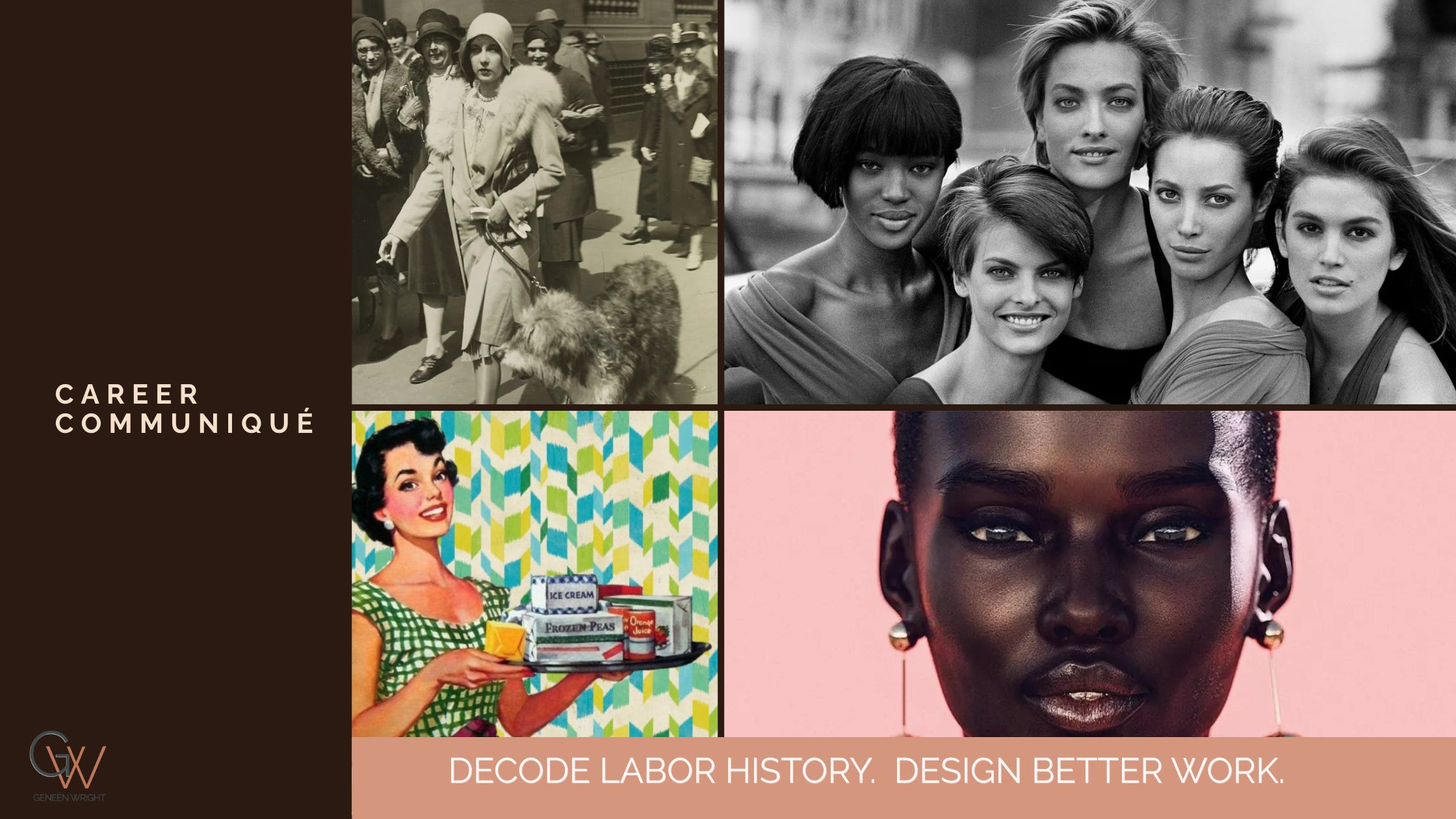
Fifth Avenue, Easter Sunday, April 1929. A group of women who appear to be socialites and debutantes light cigarettes as they walk out of church.
The photographers are miraculously already there.
Stunting
The images move through press wires and land in newspapers across the country the following morning. Gasps…women smoking publicly defiant on one of the most visible streets in America on one of the most culturally prevalent mornings of the year, no less. The coverage frames it as spontaneous. A group of women reclaiming a behavior that social convention had long reserved for men. The headline calls the cigarettes “Torches of Freedom.”
I am about to clue you into some advertising history that connects directly to the room you are sitting in right now.
The women were hired to appear as socialites and debutantes by Edward Bernays — advertising executive, nepo baby of his era, and the architect of what we now call public relations. His uncle was Sigmund Freud, whose theories about desire and the unconscious mind Bernays would spend his career translating into a practical science of manufactured consent. For this PR stunt on behalf of the American Tobacco Company, his method was simple: attach the product to an identity people already wanted, stage the desire as news, and let the press do the work for free. In classic manufactured content, the Torches of Freedom campaign sold cigarettes by tying smoking to liberation and to identity itself. Once you have bought the identity, the product became personality.
That transaction (desire manufactured and attached to consumption) is the engine the modern aspiration machine still runs on. And it didn’t arrive without precedent. Carnegie had already established that the powerful could wrap extraction in moral language and have it received as virtue. Bernays took it mainstream by recruiting everyone else into emotional investment in a system organized around their own extraction.
Which brings us to the question the Gilded Age had left open: how do you get the people to invest emotionally in the system extracting from them?
You make them want to be the extractor, or at least to believe they are closer to it than they are.
Going back and tying all these pieces together from the series; Machiavelli wrote the justification for those already holding power. The robber barons managed the story for those watching power. Bernays sold the aspiration of power to everyone who would never actually hold it.
Cycle
The aspiration machine runs on a repeatable cycle: an intermediary captures the margin, the talent realizes they are the asset, moves closer to the transaction, and the system reorganizes to capture it again. That cycle has repeated across every media format since Bernays first staged desire as news. Case in point…
At Gourmet Magazine we brought chefs — arguably second only to the supermodel as the pre-social influencer — into brand partnerships in exchange for advertising dollars. We brokered the relationship and captured the margin. The chefs received the press — the visibility, the cultural credibility, the association with a trusted editorial brand. For a while that trade worked or appeared to. Eventually the chefs figured out that their names and credibility were the actual asset being sold, and that the press they were receiving in exchange was worth considerably less than the advertising revenue it was generating. Smaller PR firms emerged to broker direct relationships between talent and brands, cutting the institutional middleman out entirely.
The talent had recognized their own leverage and moved closer to extracting from the extractor.
Rinse and Repeat
Social media further changed the game. The reabsorption cycle broke down in a way it never had before. The influencer economy handed creators something pre-social influencer culture never had — a direct channel to their audience that no institution owned, controlled, or could revoke. An influencer with two million engaged followers does not need a magazine, a network, or a publishing house to reach the people who trust them. The vehicle of yesterday became an add-on. Creators could go directly to brands, directly to audiences, and directly to revenue without institutional permission.
The institution’s answer was to build the influencer itself. Lil Miquela — a computer-generated character designed to look like a twenty-something Brazilian-American woman — has over two million Instagram followers and brand partnerships with Prada and Calvin Klein. Shudu Gram, billed as the world’s first digital supermodel, was created by a single photographer and absorbed into agency representation before most people knew she wasn’t real. No leverage to recognize. No margin to reclaim. The aspiration machine had found a way to produce the individual-as-medium without the individual—removing the last remaining source of leverage from the system entirely.

Institutions found ways to reabsorb the commodity. They always do.
Now, but then again
Which brings us to where the machine is now — and where it is going.
Advertising agencies are not just creating AI influencers. They are building AI campaign models trained on consumer data, designed to generate targeted aspiration at a scale and specificity no human creative team could match. The model doesn’t just know what you want. It knows what you wanted last Tuesday, what you searched at 2am, what you paused on for three seconds before scrolling past. It builds the desire architecture from the inside out, by using the data you generated through every search, pause, and click while living inside platforms designed to collect it.
Bernays staged desire as news and let the press distribute it for free. The current system stages desire as personalized content and lets the algorithm distribute it — with the added efficiency of having mined the desires from the audience before building the campaign. The audience is now both the source material and the target. The extraction and the aspiration run on the same data set.
At the same time, and not coincidentally, demand for verifiably human creators is rising. The flood of AI-generated content has produced its own counter-reaction — audiences increasingly signal that they want to know they are watching a real person, experiencing a real life, receiving a genuine recommendation. The aspiration machine is generating its own antibodies, and the advertising industry is monetizing those too. Authenticity is now a brand strategy. The desire to escape manufactured aspiration has been manufactured into an aspiration.
The machine got more sophisticated. The pattern didn’t just stay the same and now runs through you.
This was No. 3 of 6 | The Origin and Evolution of the Anti-Hero
Next Sunday we go back to where the machine met its first serious resistance and draw a throughline to why there is a waning labor movement today.
The aspiration machine was built on the same foundation as everything else in this series — the labor of people whose contribution was captured, rebranded, and sold back to them as something to want. Understanding that history is not academic. It is the most practical thing a working professional can do. Career Communiqué exists to make that history legible. Founding subscribers make that work possible.


